You book your car in for a roadworthy check – and it comes back with a list of failures. What should have been a simple process has turned into an unexpected repair bill and a delay you didn’t plan for.
It happens to vehicle owners across Melbourne more often than you would expect. A roadworthy certificate in Victoria sets strict minimum safety standards that every car must meet, and the test covers more ground than most people realise. Understanding what an assessor looks for – and where cars commonly fail – is the best preparation you can do before your roadworthy appointment.
This guide walks you through the 10 most common reasons cars fail their roadworthy in Melbourne, what each repair costs in 2026, and how to give your vehicle the best chance of passing first time.
When Do You Need a Roadworthy Certificate in Victoria?
Before we cover the failures, it helps to know exactly when you need a certificate – because the timing matters.
Under Victorian roadworthy requirements, a current certificate is required in the following situations:
- Buying or selling a car – when you sell a vehicle in Victoria, you must provide a roadworthy certificate to the buyer at the time of sale. This applies to all registered passenger vehicles, whether sold privately or through a dealer.
- Transfer the registration – to transfer the registration to a new owner, a valid certificate must be presented at the time of transfer.
- Register an unregistered vehicle – to re-register any vehicle in Victoria with lapsed registration, it must first pass a roadworthy check and hold a certificate of roadworthiness.
- Clearing a defect – if you have been issued a defect notice by Victoria Police, you have 14 days to present the car at an approved inspection station and clear it with a valid certificate.
A roadworthy certificate is valid for 30 days from the date of issue. Book too early and it may expire before your registration transfer or sale is complete.
Only a VicRoads-licensed vehicle tester at a licensed vehicle testing station can issue these certificates. Not every mechanic or service centre holds this authorisation, so it pays to know your local inspection providers before you book.
What Does a Car Roadworthy Certificate Check Cover?
A roadworthy check is not the same as a full mechanical service. The roadworthy test assesses a vehicle’s overall condition and reliability from a safety standpoint – not everything that might eventually go wrong. The assessment covers safety checks and standards set by the Victorian government and administered through Transport Victoria.
During the vehicle inspection, the assessor examines the following safety components:
- Wheels and tyres
- Steering and suspension
- Braking systems
- Clutch system
- Seats and seat belts
- Lights and reflectors
- Windscreen and windows
- Front wipers and washers
- Vehicle structure
- Body, chassis and engine condition
If any of these areas fall below the minimum safety standards required for passenger vehicles on public roads, the assessor will not issue the certificate. Here is what each failure looks like in practice – and how much a roadworthy repair typically costs.
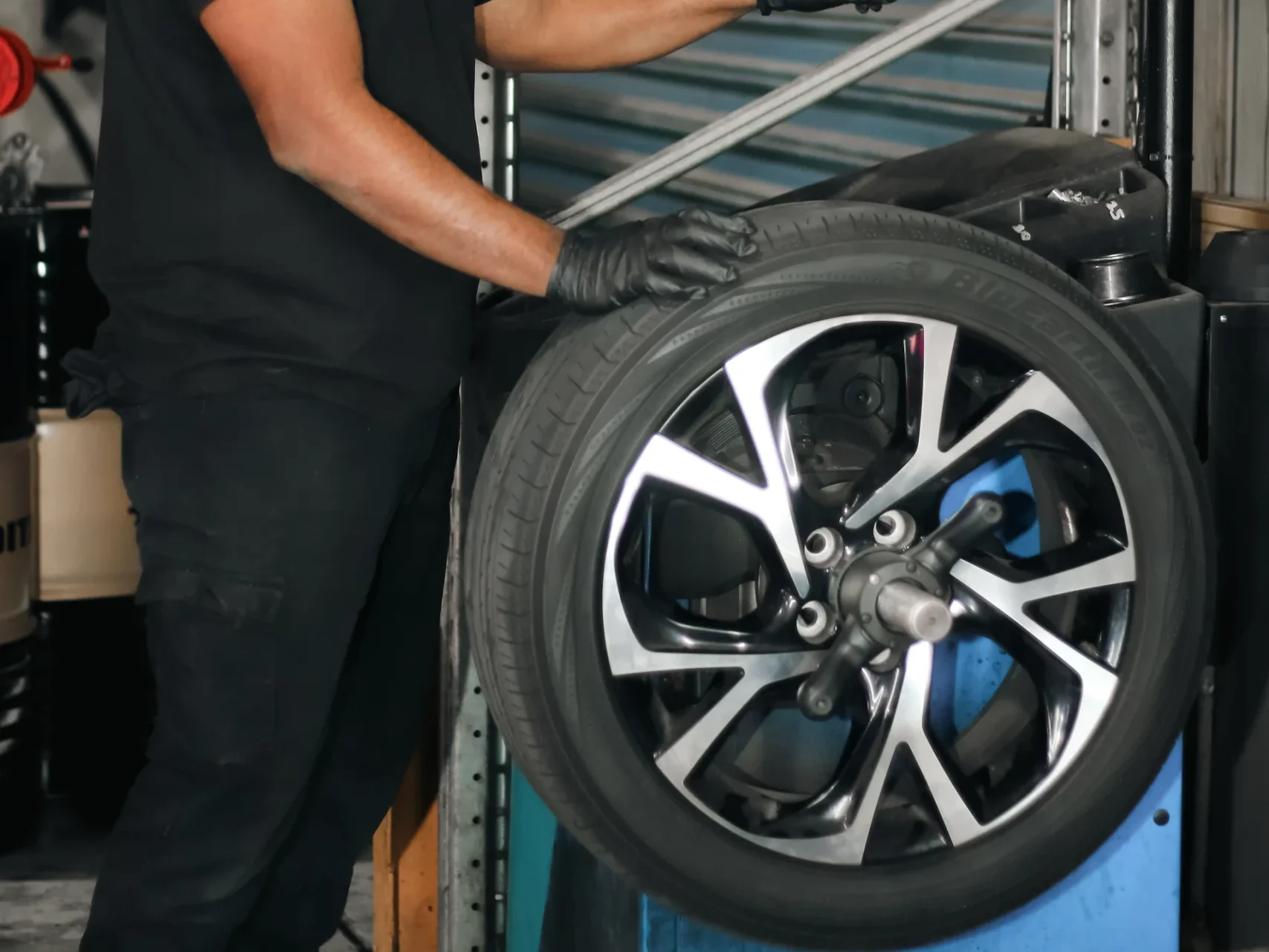
1. Tyre Condition and Tread Depth
Why cars fail: Worn tyres are one of the most common failure points in any RWC check. Under Victorian road rules, the tread must be at least 1.5mm deep across the full width. Beyond tread depth, the assessor also checks for sidewall cracking, bulges, cuts, and mismatched sizes on the same axle.
Uneven tyre wear can also point to an underlying wheel alignment or suspension problem – which may prompt a closer look at other components.
What to look for:
- Tread worn down to the wear indicator bars
- Visible cracking or bulging on the sidewall
- One side noticeably balder than the other
- A tyre that regularly loses pressure
Typical repair cost: $150-$450 each, depending on brand, size, and whether a wheel alignment is needed at the same time. Budget options for small sedans start around $150; premium brands for SUVs or performance vehicles sit at the higher end.
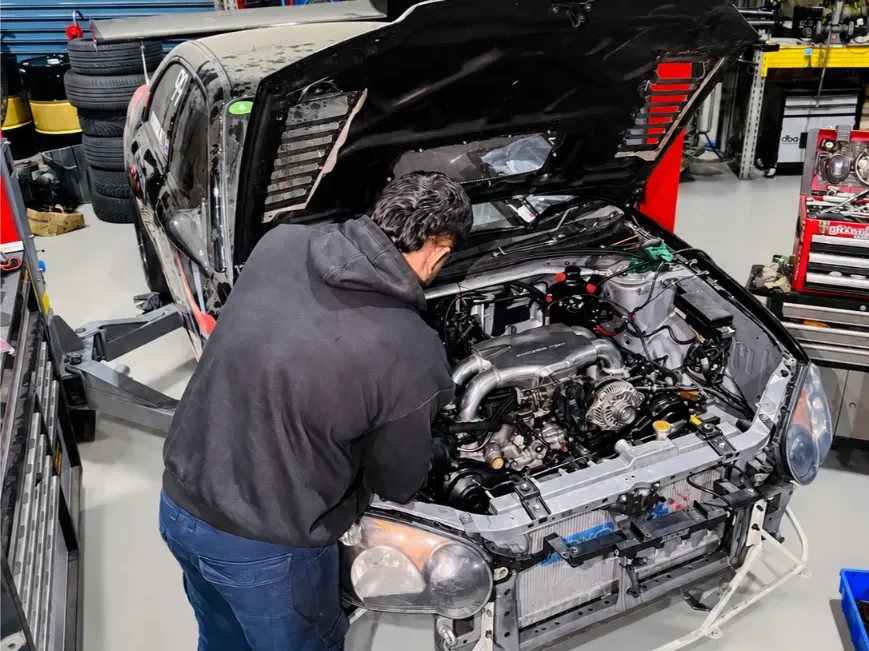
2. Brake System Faults
Why cars fail: Worn brake pads, scored rotors, and leaking brake fluid are all common roadworthy inspection failures. The assessor checks the entire braking system – pads, discs, callipers, brake lines, fluid condition, and the operation of the handbrake. If brake performance is compromised in any way, the vehicle will not pass.
A full wheels-off examination is standard at any licensed vehicle testing station, which means worn pads and thin rotors have nowhere to hide.
What to look for:
- A squealing or grinding noise when braking
- The vehicle pulling to one side under braking
- A soft or spongy brake pedal
- The brake warning light illuminated on the dash
Typical repair cost: $250-$650 per axle for brake pads and rotors. If callipers or brake lines need attention, costs can climb higher. Brake fluid replacement typically adds $80-$150.
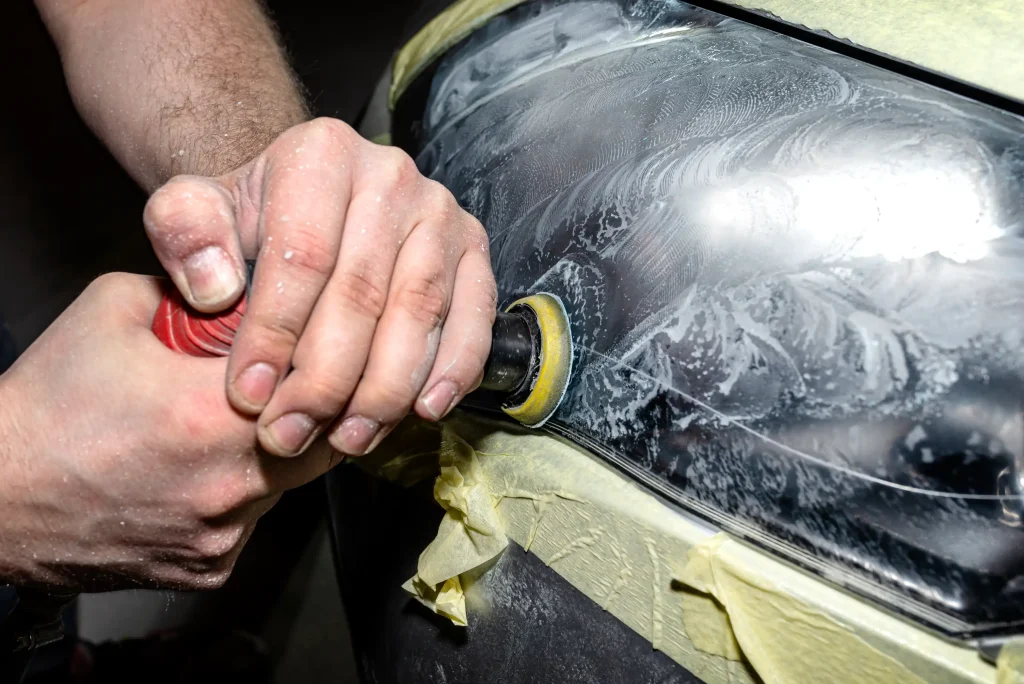
3. Lighting Failures
Why cars fail: Every light on your vehicle must work – headlights (high and low beam), tail lights, brake lights, indicators, reversing lights, and number plate lights. A single blown globe is enough for the assessor to withhold the certificate. Lights are also checked for correct aim, and lenses are assessed for cracks or heavy yellowing.
This is one of the easiest failures to prevent, yet it catches vehicle owners out regularly.
What to look for:
- Any light that flickers, dims, or has stopped working entirely
- Yellowed or cracked headlight lenses
- Indicators that flash too fast (a sign of a blown globe)
- A reversing light that doesn’t activate
Typical repair cost: Globe replacements range from $20-$80 for standard bulbs. LED or HID replacements, or headlight assembly replacements, can run $150-$500. Headlight restoration (polishing yellowed lenses) typically costs $80-$180.
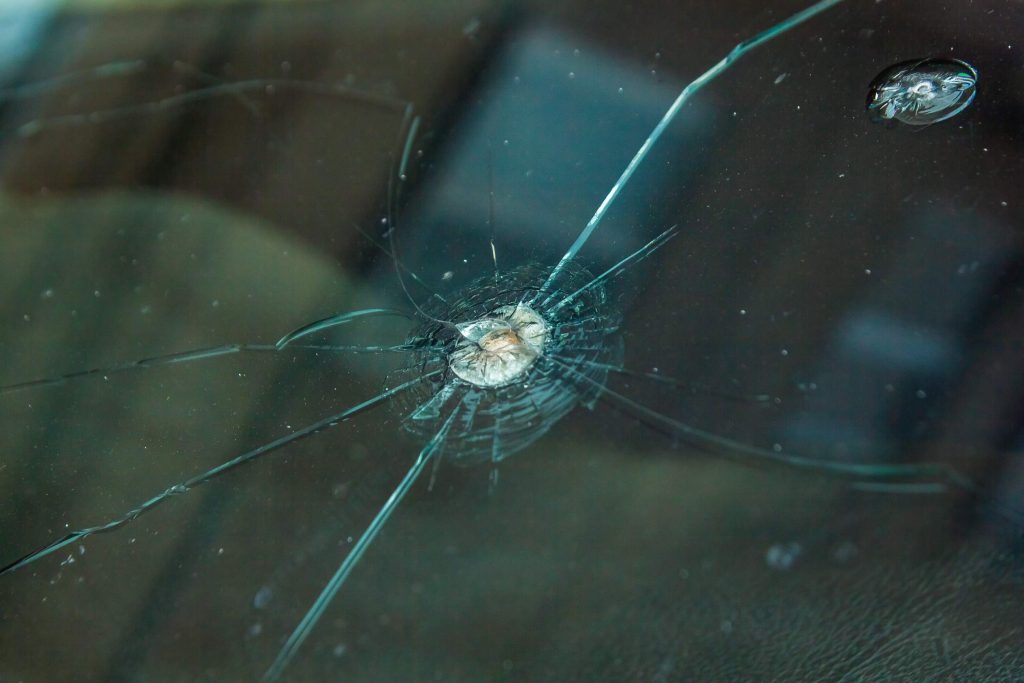
4. Windscreen Cracks and Chips
Why cars fail: Your windscreen must be free of any damage within the driver’s direct line of sight – generally the area swept by the wipers. Even a small chip in the wrong spot can result in the assessor refusing to issue the certificate. Cracks that have spread across the glass are almost always an automatic fail at any inspection station, regardless of location.
What to look for:
- Any chip or crack in the driver’s line of sight
- Cracks longer than 30mm anywhere on the windscreen
- Damage that has caused the glass to delaminate or craze
- Chips that have grown since they first appeared
Typical repair cost: Chip repairs run $99-$180 and can often prevent a crack from spreading further. Full windscreen replacement costs $300-$800+, depending on the make and model and whether the vehicle has sensors or cameras embedded in the glass.
5. Steering and Suspension Problems
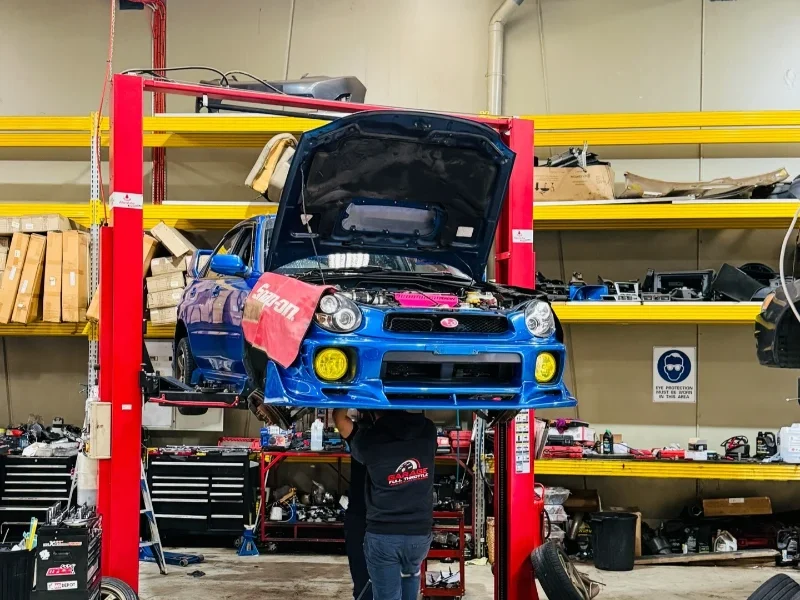
Why cars fail: Worn ball joints, tie rod ends, bushings, and shock absorbers all fall within the scope of a comprehensive mechanical inspection. A vehicle with sloppy or unresponsive steering, or suspension components with excessive play, will not pass – because these directly determine whether a car is safe for use on Victorian roads and safe for other road users.
This is often where older vehicles or cars with high mileage run into trouble.
What to look for:
- Unusual knocking or clunking over bumps
- The steering wheel vibrating at highway speeds
- The car pulling to one side when driving straight
- Excessive body roll when cornering
- Uneven wear patterns across your tyres
Typical repair cost: Costs vary widely depending on what needs replacing. Ball joint replacement runs $300-$600. Full shock absorber replacement (all four) can reach $800-$1,500 on many vehicles. A complete front suspension overhaul on older vehicles can exceed $1,500 once labour is included.
6. Seat Belts – Condition and Operation
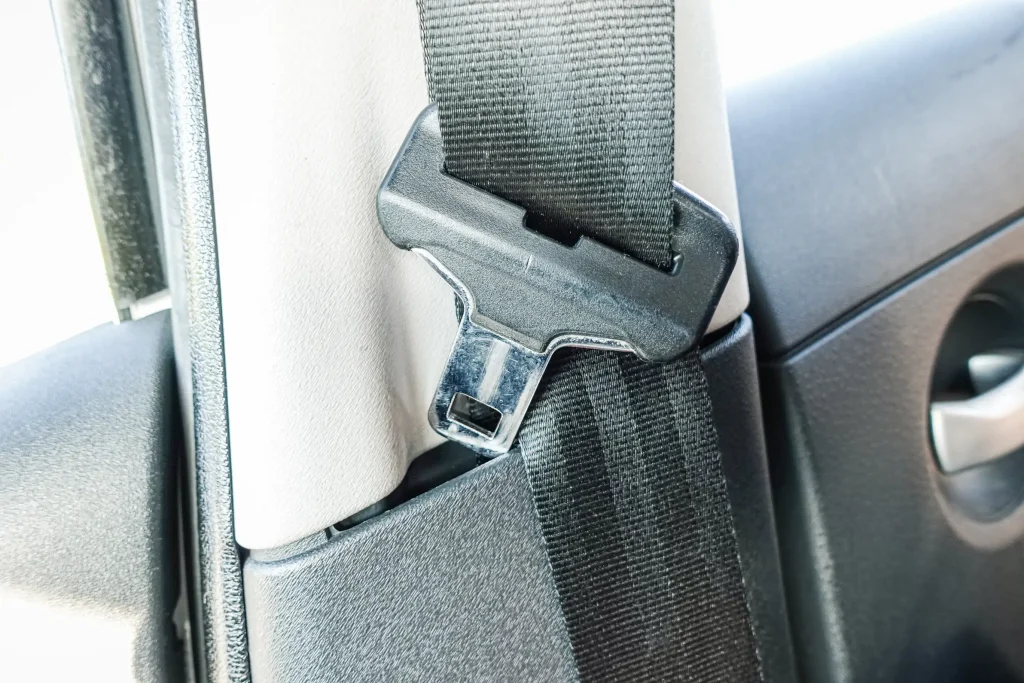
Why cars fail: Every seat belt must retract properly, latch securely, and be free of fraying, cuts, or damage to the webbing. Seat belts that don’t lock under firm pull or won’t retract are an automatic fail. These are non-negotiable safety components in any car roadworthy check.
What to look for:
- A seat belt that feeds out smoothly but won’t retract fully
- Fraying or visible cuts in the webbing
- A buckle that doesn’t click in cleanly or releases unexpectedly
- Rear seat belts that have been ignored for years
Typical repair cost: Replacement ranges from $200-$500 per belt, including parts and labour. If the inertia reel mechanism has failed, the full assembly typically needs to be replaced rather than repaired.
7. Exhaust System Defects
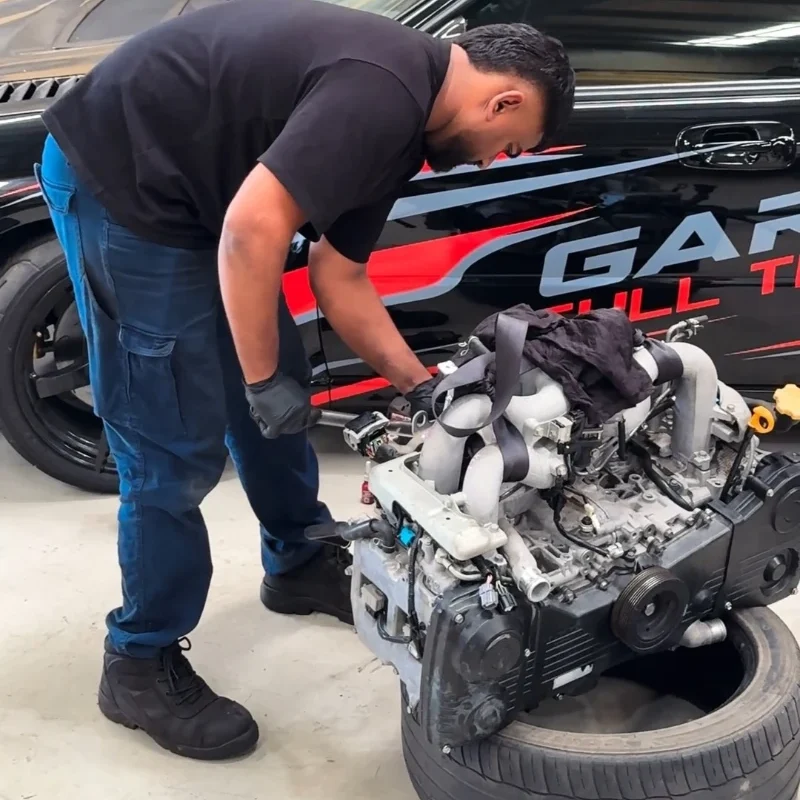
Why cars fail: Your exhaust is checked for leaks, excessive rust, loose mountings, and missing components. An exhaust leak is a fail – not just because of noise, but because carbon monoxide can enter the cabin and endanger the driver. A blowing exhaust is something vehicle owners often overlook, and any VicRoads-authorised assessor is trained to catch it quickly.
What to look for:
- A louder-than-usual exhaust note, particularly on cold starts
- A ticking or hissing sound from underneath the vehicle
- Visible rust holes or separation in exhaust pipes or the muffler
- Components that rattle or hang loose
Typical repair cost: Minor repairs (patching a small hole, replacing a bracket) start around $150-$250. Muffler replacement runs $250-$500. Full replacement from the manifold back can reach $600-$1,200 on many vehicles.
8. Wiper Blades and Washers
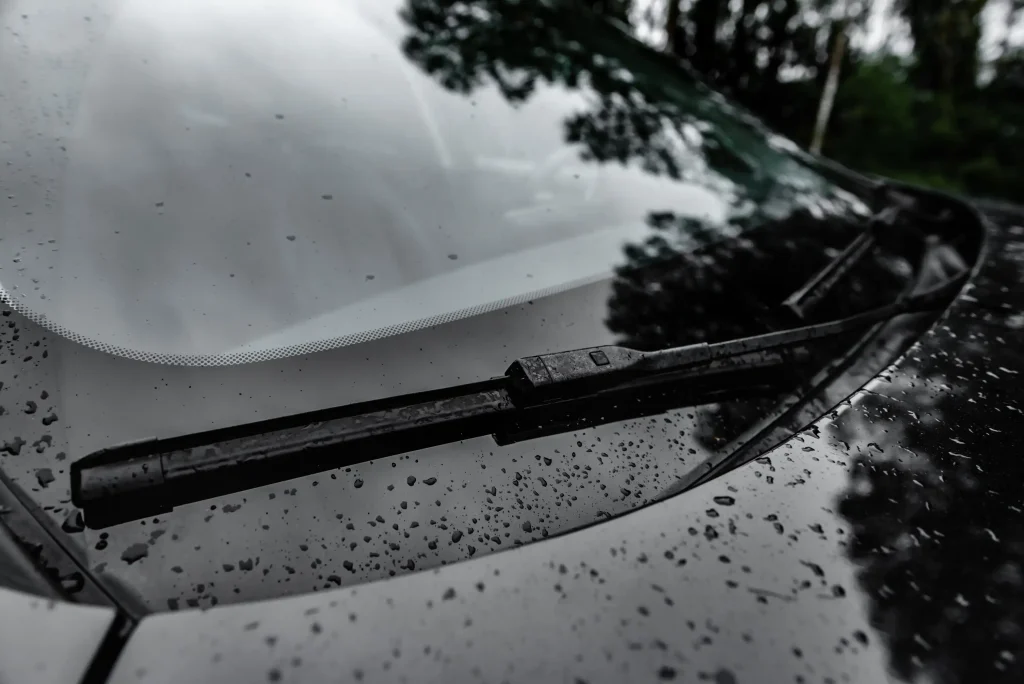
Why cars fail: Worn blades that smear, skip, or leave large dry areas across the windscreen will not pass a roadworthy inspection. Both the wipers and washer system need to function properly – blocked nozzles or a non-functional reservoir will be recorded against the vehicle. This is one of the most affordable fixes on the list, but it is easily overlooked before an appointment.
What to look for:
- Wiper blades that leave streaks or skip across the glass
- Blades that squeal loudly in use
- Washer jets that don’t spray, or spray in the wrong direction
- Cracked or split rubber on the blade itself
Typical repair cost: Wiper blade replacement costs $30-$100 depending on the vehicle. Washer nozzle replacement or jet cleaning adds $50-$120.
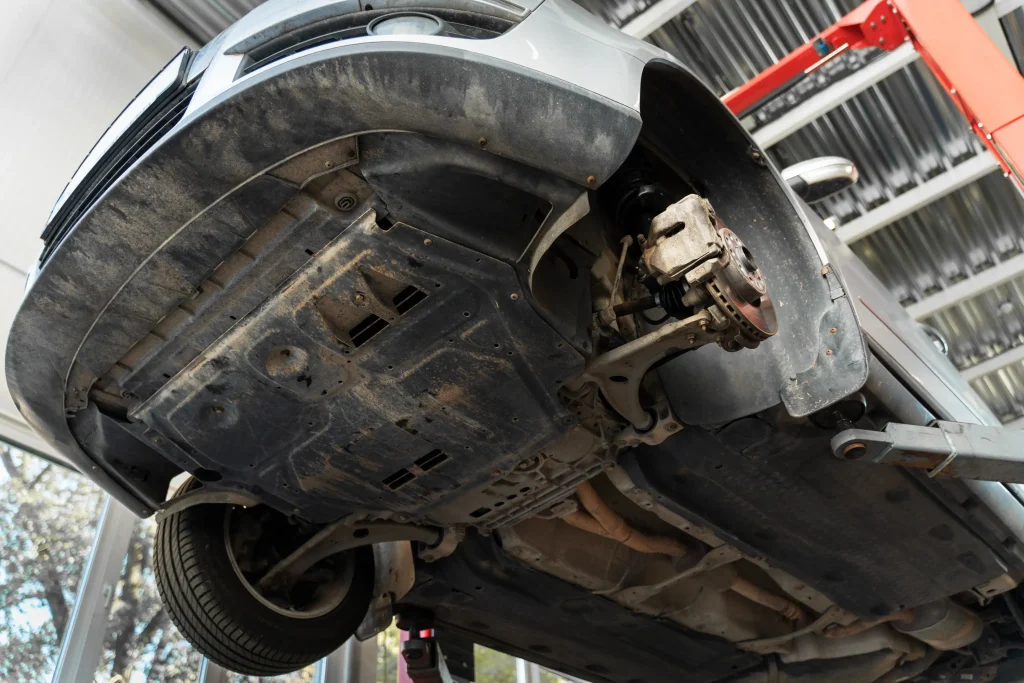
9. Body Rust and Structural Damage
Why cars fail: The assessor will look at the structural integrity of the body and chassis as part of the overall check. Surface rust on panels is not necessarily a fail, but rust that has eaten through structural members, floor pans, or chassis rails – or damage that has compromised the vehicle’s overall condition and reliability – will cause a failure. Significant panel damage creating sharp edges is also a safety concern for other road users.
What to look for:
- Rust that has bubbled through from underneath panels
- Visible holes in the floor of the vehicle
- Chassis members showing signs of corrosion or cracking
- Accident damage that was never properly repaired
Typical repair cost: Minor rust treatment and panel work starts around $300. Serious structural repair can run $1,500-$3,000 or more, particularly if floor pans or chassis sections need cutting out and replacing. In some cases, the repair cost exceeds the vehicle’s value.
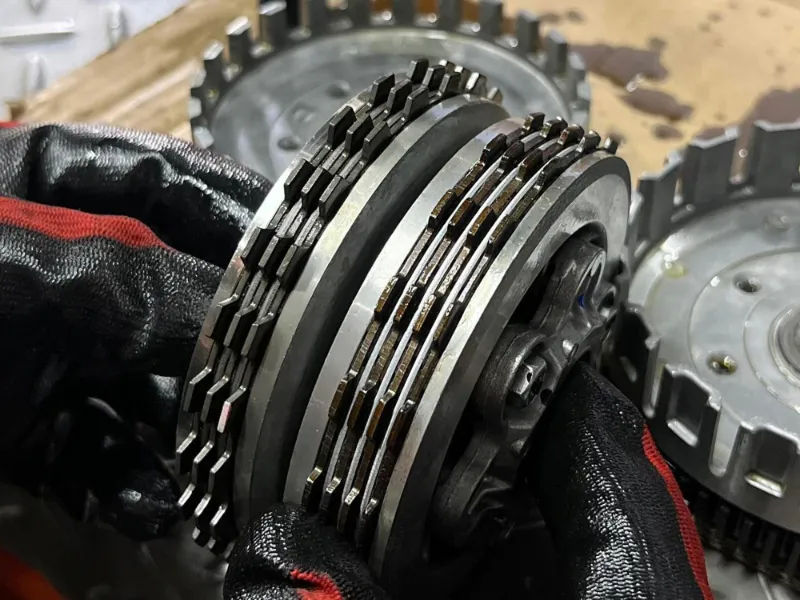
10. Clutch System Issues
Why cars fail: For manual vehicles, the clutch is checked as part of the comprehensive mechanical inspection. A clutch that slips, chatters, or fails to disengage cleanly will not pass the roadworthy test. The assessor checks the pedal operation, the hydraulic system (if applicable), and the overall condition of the vehicle’s engagement at the time of the appointment.
What to look for:
- The clutch pedal sitting higher or lower than usual
- A burning smell after driving in traffic
- The engine revving without a corresponding increase in speed (clutch slip)
- Difficulty selecting gears, or gears crunching on engagement
Typical repair cost: Clutch replacement is one of the more labour-intensive jobs on this list. Expect to pay $700-$1,800 depending on the vehicle, as the gearbox typically needs to be removed to access the assembly. Performance vehicles and four-wheel drives sit at the higher end.
How Melbourne Drivers Should Prepare for a Roadworthy Inspection
The best way to avoid a fail – and the cost of a re-test – is a thorough pre-check before you book. Here is what vehicle owners across Melbourne should do ahead of their roadworthy appointment:
Do a visual walkaround. Check every light, look at your tyres, and inspect your windscreen for chips or cracks.
Test everything that moves. Seat belts, wipers, washers, windows, and the handbrake. If something doesn’t work as it should, get it seen to beforehand.
Listen to your car. Unusual noises – clunks, squeals, grinding – often point directly to the safety checks that come up most in Victorian roadworthy failures.
Check underneath if you can. Rust, exhaust leaks, and fluid leaks are easier to spot from under the car before the assessor does.
Book a pre-check with a qualified mechanic. A pre-check can identify likely failures before the official test, saving you the cost of a re-inspection fee. If you need to get a roadworthy certificate done quickly, this step is worth doing first.
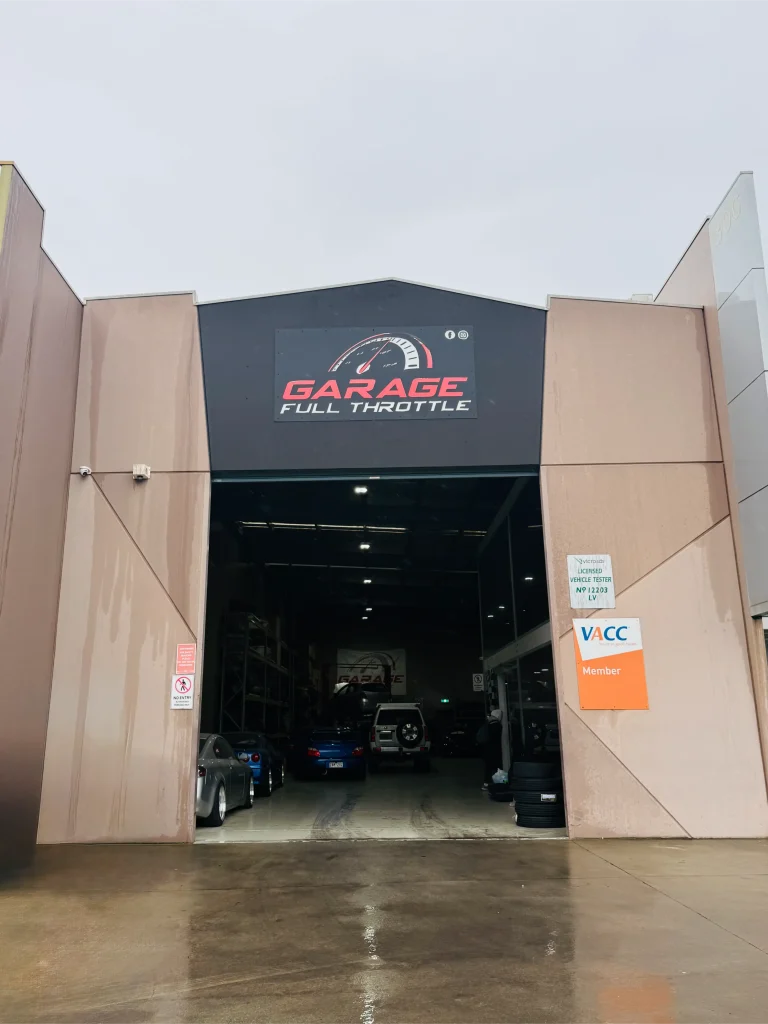
Why Melbourne Drivers Choose Garage Full Throttle as Their RWC Inspection Provider
At Garage Full Throttle, we are a licensed roadworthy service centre. As a VicRoads-authorised inspection station, we follow Victorian safety standards and use a complete checklist covering all roadworthy requirements – so nothing is missed.
When your vehicle doesn’t meet the condition needed to issue the certificate, we don’t just hand you a fail notice and send you somewhere else. Our team will walk you through exactly what needs to be done, provide a no-obligation quote on all repairs, and complete everything required to get your certificate issued as quickly as possible.
We service vehicle owners in Craigieburn, Wollert, Somerton, Roxburgh Park, Campbellfield, Coolaroo, Meadow Heights, Epping, Donnybrook, Kalkallo, Mickleham, Greenvale, and across Melbourne’s northern suburbs.
Book Your Roadworthy Certificate in Melbourne Today
Don’t leave it to chance. Book your roadworthy inspection with Garage Full Throttle and get your certificate right, the first time.
Garage Full Throttle – Roadworthy Certificates, Logbook Servicing, Tyres, Air Conditioning, ECU Tuning, and Performance Parts. Proudly serving Melbourne’s northern suburbs.