Failing a roadworthy inspection is frustrating, expensive, and almost always avoidable. You lose the inspection fee, you lose days waiting on repairs, and if you miss the re-inspection window you pay for the whole roadworthy certificate again. In 2026 there’s also a brand-new rule that catches out thousands of EV and hybrid owners across Melbourne before they even book.
This guide covers everything that’s changed for a Victorian roadworthy certificate in 2026, what a roadworthy inspection actually checks, the mistakes that make a vehicle fail first time, and exactly how to prepare so you pass the RWC on the first attempt. Whether you’re in Craigieburn, Melbourne’s northern suburbs, or anywhere across Victoria, this is how Melbourne drivers get a roadworthy certificate right the first time.
What’s New for Roadworthy Certificates in Melbourne for 2026
Most of the roadworthy inspection process is unchanged year to year, but 2026 brings one significant change for Melbourne drivers, plus a few details worth getting right before you book.
The Big Change – EV and Hybrid Vehicles Need an EV-Accredited Tester (from 1 June 2026)
From 1 June 2026, it is mandatory for the Licensed Vehicle Tester inspecting your electric or hybrid vehicle to hold a new VicRoads “EV” accreditation, and for the workshop’s LVT licence to carry that EV category. A tester who inspects an EV or hybrid without it is “testing out of category” – meaning the roadworthy certificate they issue isn’t valid.
This is a safety-driven change. High-voltage vehicles carry electrocution and thermal risks that petrol and diesel cars don’t, so VicRoads now requires the vehicle tester to be trained, equipped, and accredited to inspect them.
Which Vehicles Are Affected (60V and Above)
The EV category applies to any vehicle with an electric drive system rated at 60 volts DC or higher – that’s most full hybrids and all battery electric vehicles. If you drive a Tesla, BYD, MG ZS EV, Nissan Leaf, Toyota RAV4 Hybrid, Hyundai Ioniq, or a plug-in hybrid like the Outlander PHEV, you’re in this group.
What’s not affected: mild hybrids that run below 60 volts, along with all petrol and diesel passenger vehicles, are inspected exactly as before. LPG vehicles also continue under existing LP-accredited testers. If you’re unsure which category your car falls into, ask your Melbourne workshop before booking the roadworthy inspection.
Why Not Every Melbourne Workshop Can Test EVs From June 2026
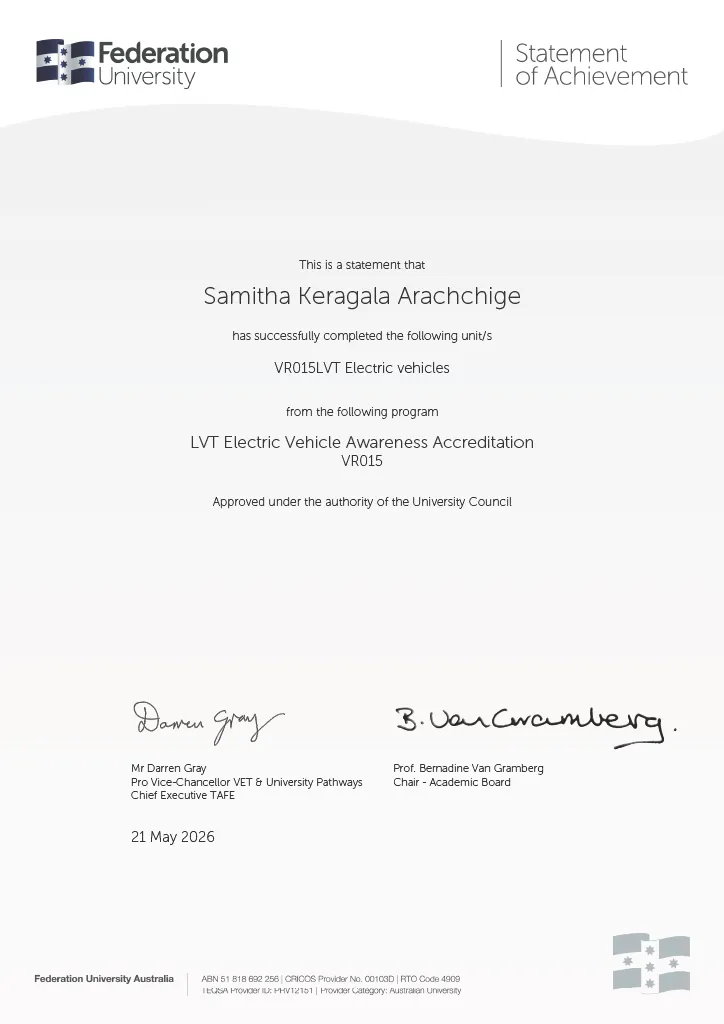
This is the part most owners don’t realise: from 1 June 2026, a workshop can’t just decide to inspect EVs. To run a roadworthy inspection on a high-voltage vehicle under the EV category, the premises must be properly equipped – including a carbon monoxide meter capable of detecting 35 parts per million, a thermal imaging camera that reads from 20°C to 400°C, a fire extinguisher of at least 9kg rated to AS/NZS 1850, and clear signage warning of electrocution risk. The examining mechanic must also complete accredited EV risk-and-awareness training (a 6–8 hour module delivered through RTOs such as Kangan, Box Hill and Federation University), on top of a nationally recognised prerequisite unit in depowering EV or hybrid systems.
In practice, not every roadworthy service centre near you will be able to certify an EV or hybrid. Booking with a Melbourne workshop that is properly equipped and EV-accredited saves you a wasted trip – and a potentially invalid certificate.
What This Means If You Own an EV or Hybrid
The action is simple: when you book a roadworthy certificate for an electric or hybrid vehicle in 2026, confirm the workshop is EV-accredited. A reputable vehicle tester will tell you straight away. Don’t assume your usual mechanic qualifies just because they’ve serviced your car before – servicing and roadworthy accreditation are different things.
The 14-Day Re-Inspection Rule Everyone Gets Wrong
Here’s a costly misconception. People hear “30 days” and assume they have a month to fix any problems. They don’t. The 30 days is how long the roadworthy certificate stays valid once issued. If your vehicle fails the inspection, you have just 14 days to repair the listed items and return to the same vehicle tester for a re-inspection. Take longer than 14 days and you pay for a brand-new inspection from scratch. Knowing this is often the difference between one bill and two.
Costs in 2026 – Why There’s No Fixed Price for an RWC
There is no price for a roadworthy certificate set by VicRoads or the Victorian government. Each Licensed Vehicle Tester sets their own fee, which is exactly why the cost of an RWC varies, typically from around $150 to $200 or more depending on your vehicle’s age, type and condition. Always ask for a quote up front, and ask whether the re-inspection after repairs is included free.
What Is a Roadworthy Certificate & When You Need One in Victoria
A roadworthy certificate (also called a certificate of roadworthiness, or RWC) is a legal document confirming your vehicle meets the minimum safety standards to be used on public roads. It’s a safety inspection measured against VicRoads’ Vehicle Standards Information (VSI 26) – not a guarantee of overall condition or reliability.
When You Need a Roadworthy Certificate
In Victoria you’ll generally need a roadworthy certificate when selling a registered vehicle, transferring registration to a new owner, re-registering an unregistered vehicle, or clearing a defect notice. If you’re a buyer, a valid RWC is your assurance the car met safety standards at the time of inspection.
How Long a Roadworthy Certificate Lasts
A Victorian roadworthy certificate is valid for 30 days from the date of issue. You can use it more than once for registration or transfer purposes within that validity period. After 30 days it expires and you’ll need a new inspection.
What a Roadworthy Inspection Does NOT Cover
A roadworthy inspection only certifies that your vehicle is safe to drive on public roads on the day it’s issued. It doesn’t mean the vehicle is mechanically reliable, free of wear and tear, or that non-safety items like air-conditioning and electric windows work. A brake light could blow the morning after your inspection and the certificate is still valid. If you want a picture of the vehicle’s overall condition, that’s a separate vehicle inspection.
The 2026 RWC Checklist: What a Roadworthy Inspection Covers
Understanding what’s examined helps you prepare and avoid surprises. A Licensed Vehicle Tester follows the VSI 26 roadworthy requirements closely. Use this RWC checklist as your starting point.
Brakes, Wheels and Tyres
The vehicle tester checks brake pad and disc condition, fluid levels, hydraulic integrity and park-brake effectiveness. Wheels and tyres must have at least 1.6mm of tread, with no cuts, bulges or damage, correct sizing and proper inflation. Brakes and tyres are the two most common reasons a vehicle fails its first roadworthy inspection, so start here.
Steering, Suspension and Structure
Worn ball joints, leaking shock absorbers, perished bushings and loose steering all fail the inspection. So does structural rust around chassis rails, the floor pan, suspension mounts or seat belt anchor points. Surface rust is usually fine; rust that compromises strength is not. Brakes and suspension faults together account for a large share of RWC failures.
Lights, Seat Belts, Windscreen and Safety Components
Every external light must work – headlights, indicators, brake, reverse and number-plate lights. Seat belts must be intact and operate correctly. The windscreen must be free of cracks in the driver’s line of sight, and wipers, washers, horn, mirrors and the VIN plate are all checked as part of the safety inspection.
Top Reasons a Vehicle Fails Its Roadworthy Inspection
The 5 Most Common First-Time Fails
- Worn brakes or low brake fluid – the single most common fail. Watch for squealing, a spongy pedal or a brake warning light.
- Bald or damaged tyres – under 1.6mm tread, uneven wear, bulges, cuts or mismatched tyres.
- Cracked or chipped windscreen – any damage in the driver’s direct line of sight is an instant fail.
- Faulty lights or indicators – blown globes, wrong bulb types, damaged lenses, dead number-plate lights.
- Worn steering or suspension – ball joints, shocks, bushings and loose components.
Hidden Issues That Catch Owners Out
Beyond the obvious, watch for exhaust leaks near the cabin (carbon monoxide risk), illuminated safety warning lights (ABS, airbag, brakes), and structural rust you can’t easily see. These are the ones that turn a “should pass” into a vehicle that fails the inspection.
How Melbourne Drivers Can Pass the RWC First Time
Your Pre-Inspection RWC Checklist (DIY Walk-Around)
A week before your roadworthy inspection, do your own walk-around. Check every light works (have someone press the brake while you watch), test tyre tread with a 20-cent coin, look underneath for any leak, and make sure number plates are secure. Under the bonnet, check oil, coolant and brake fluid, and look for worn belts or corroded battery terminals. Easy DIY fixes – globes, wiper blades, washer fluid, tyre pressures – cost very little and prevent silly fails.
Why a Pre-Roadworthy Inspection Saves You Money
The smartest move is a pre-roadworthy inspection. It finds every issue at once, so you can fix everything in a single repair session instead of failing, fixing one thing, and coming back. It also lets you decide whether borderline repairs are worth it before you commit. At Garage Full Throttle we offer pre-roadworthy assessments precisely so Melbourne drivers don’t gamble on a fail.
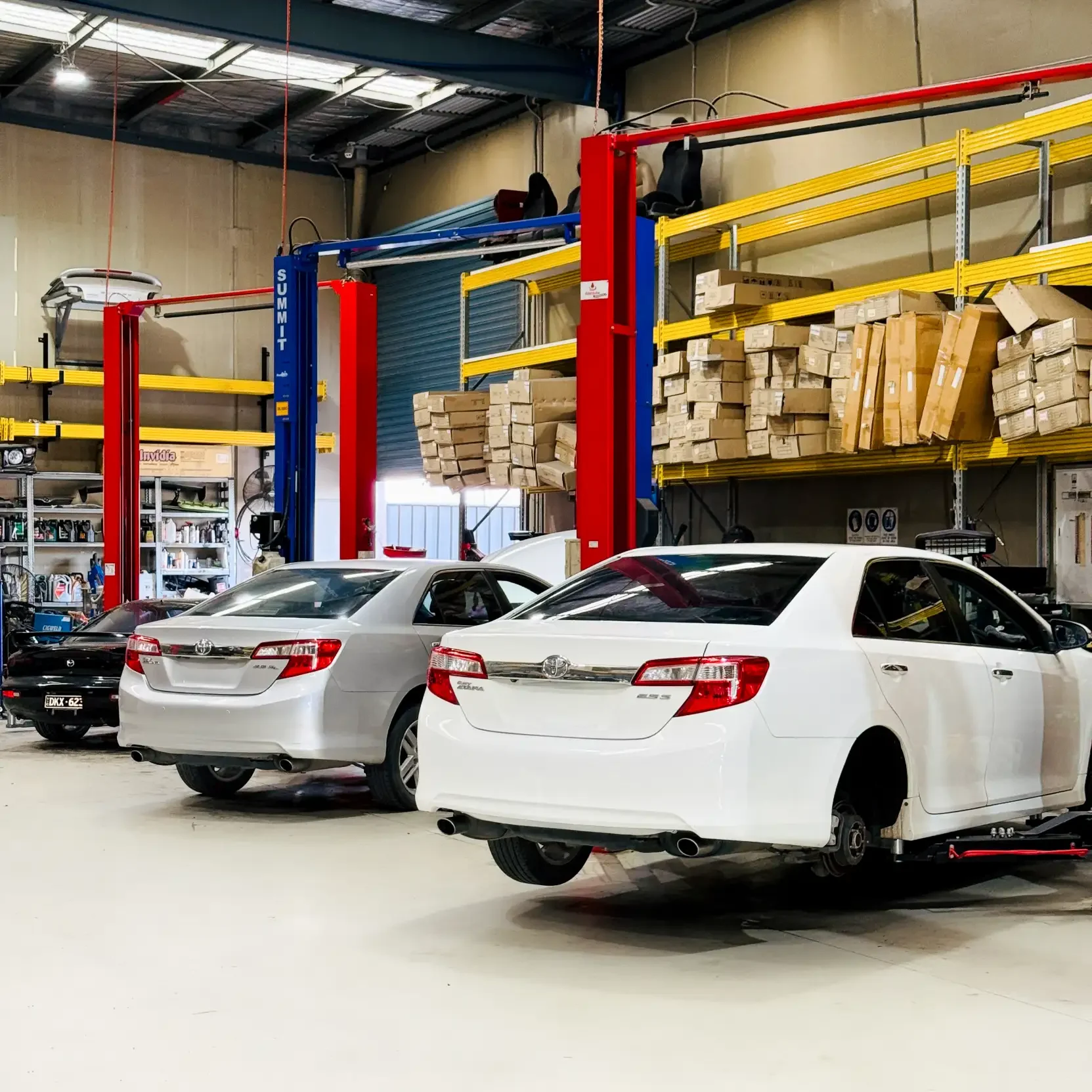
What Happens on Roadworthy Inspection Day
Bring your vehicle registration papers, photo ID and payment. The roadworthy inspection usually takes 45–90 minutes and covers documentation, a visual exterior and under-vehicle check, brake testing, the interior and under-bonnet, and a short road test.
If You Pass – Your eCertificate
Pass and an electronic roadworthy certificate (eCertificate) is lodged straight into the VicRoads system – no paper to lose. It’s valid for 30 days from the date of issue and ready to use for your sale, transfer or re-registration.
If You Fail – Defect Notice and Re-Inspection
Fail and you’ll get a defect report listing exactly what needs fixing. Repair the items and return to the same vehicle tester within 14 days – only the failed items are re-checked, not the whole car. Fixing every item on the checklist at once is what keeps it to a single visit.
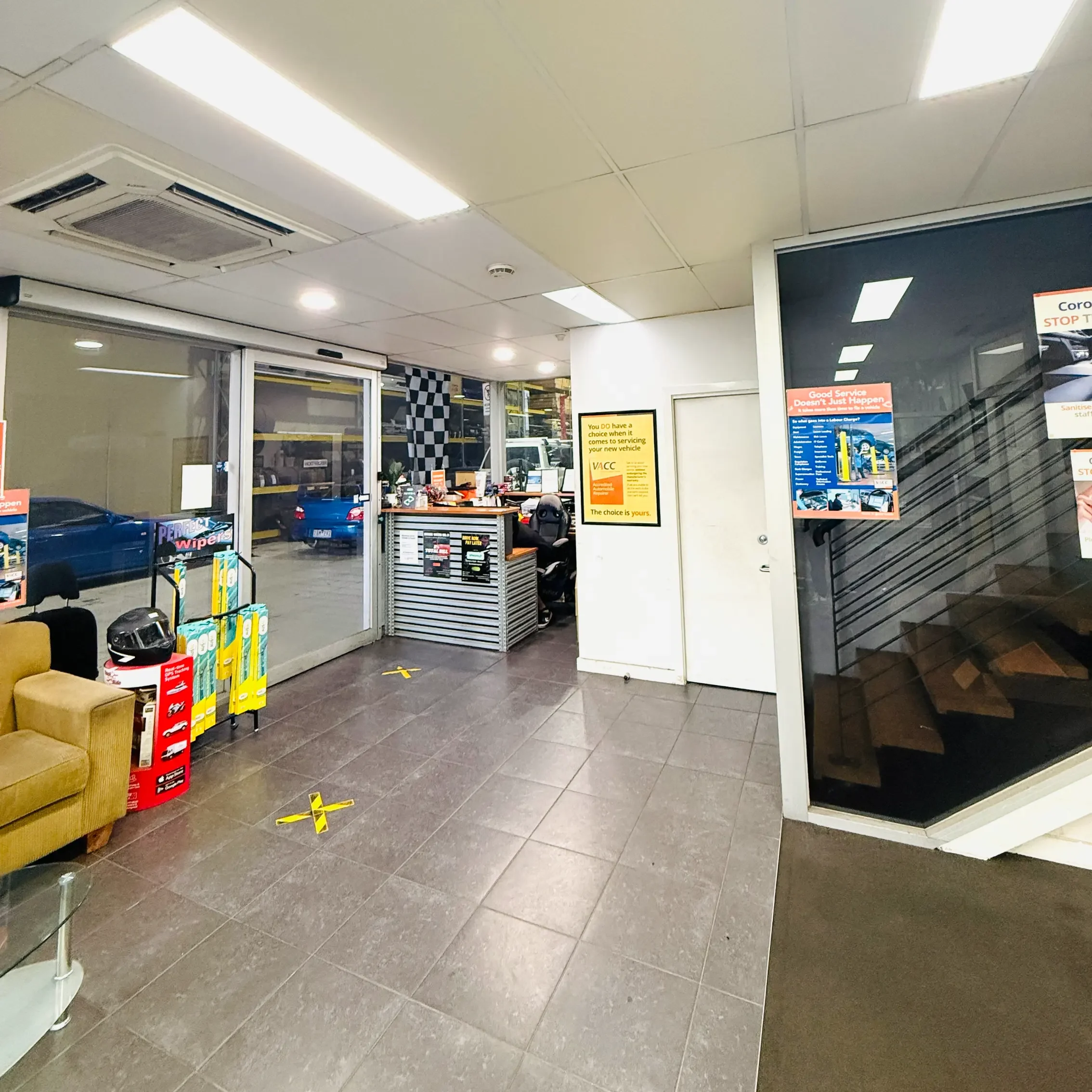
Where to Get a Roadworthy Certificate in Melbourne (Book a Licensed Vehicle Tester)
You can only get a roadworthy certificate from a VicRoads-licensed vehicle tester operating from an authorised inspection location. Across Melbourne there are plenty of options, but quality and price vary, so it pays to choose a tester who’ll give you honest advice and handle any repairs in-house. From 1 June 2026, EV and hybrid owners should specifically confirm the workshop is EV-accredited.
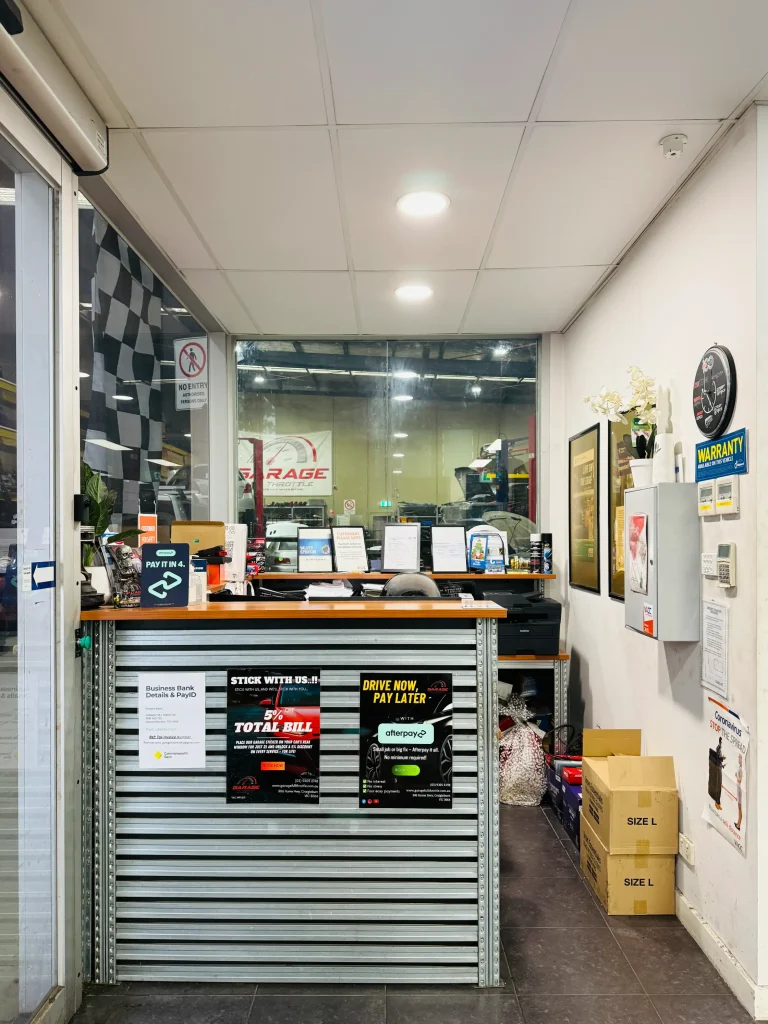
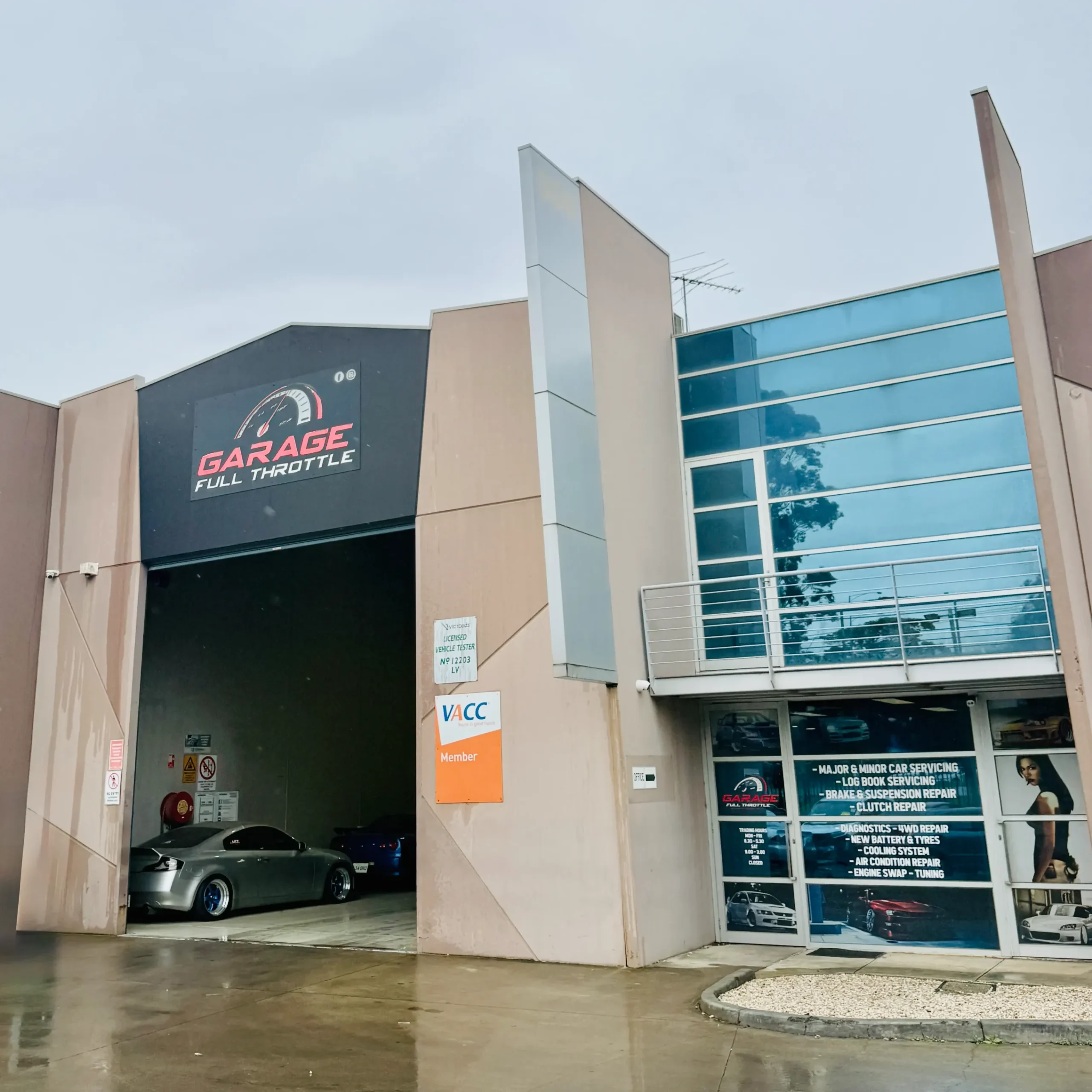
Garage Full Throttle is an authorised roadworthy service centre in Craigieburn, serving Melbourne’s northern suburbs with experienced licensed vehicle testers, modern equipment and transparent quotes. We run the inspection and any necessary repairs in one place, so you’re back on the road fast.
7 Things Most Melbourne Drivers Don’t Know About Their Roadworthy
- There’s no price set by VicRoads – every tester sets their own fee, which is why the cost of an RWC varies.
- You get 14 days to fix fails, not 30 – the 30 days is the certificate’s validity, not your repair window.
- From 1 June 2026, your EV or hybrid needs an EV-accredited tester – and not every Melbourne workshop qualifies.
- A roadworthy doesn’t mean your car is reliable – it’s a safety snapshot for the day it’s issued.
- Spouses and domestic partners are exempt – transfers between them don’t need a roadworthy. Dealers can buy without one too.
- You can legally sell without a roadworthy – if the car is unregistered – cancel rego, return plates, and put it in writing.
- On a re-inspection, only the failed items are re-checked – which is why fixing everything at once saves money.
Roadworthy Certificate Questions (Victoria 2026)
Straight answers to the most-asked roadworthy questions in Victoria.
How much does a RWC cost in Victoria?
There’s no fixed government price. Each Licensed Vehicle Tester sets their own fee, so costs typically range from about $150 to $200+. Price depends on the vehicle’s age, type and condition. Always request a quote before booking, and ask whether re-inspection after repairs is free.
Who can do a roadworthy certificate?
Only a Licensed Vehicle Tester (LVT) at a VicRoads-authorised testing station can issue a roadworthy certificate in Victoria. From 1 June 2026, electric and hybrid vehicles must be tested by an LVT who also holds the new VicRoads “EV” accreditation.
How long does a roadworthy last in Victoria?
A Victorian roadworthy certificate is valid for 30 days from the date it’s issued. You can use it more than once for registration or transfer within that window. After 30 days it expires and you’ll need a new inspection.
What fails a RWC?
The most common fails are worn brakes, tyres under 1.6mm tread, cracks in the driver’s line of sight on the windscreen, faulty lights or indicators, worn steering and suspension, structural rust, and damaged seatbelts. Dashboard safety warning lights (ABS, airbag, brakes) can also fail you.
Can you transfer rego without a roadworthy in VIC?
Usually no. Transferring a registered vehicle to a new owner requires a current roadworthy certificate. Exceptions include transfers between spouses or domestic partners, transfers to a licensed dealer, and certain other exempt cases listed by VicRoads. The certificate must be issued within the last 30 days.
Who pays for a roadworthy certificate?
By law, the seller of a registered vehicle must provide a current roadworthy certificate, so the seller normally pays. It can be negotiated as part of the sale, but the legal obligation to supply a valid RWC when selling a registered car sits with the seller.
What is needed to pass a roadworthy in VIC?
Your vehicle must meet VicRoads’ VSI 26 safety standards: working brakes, tyres with at least 1.6mm tread, all lights functioning, sound steering and suspension, intact seatbelts, a crack-free driver’s view, no structural rust, and a secure exhaust and fuel system. A pre-inspection catches issues early.
Is it illegal to sell a car with no RWC?
Selling a registered car privately without a current roadworthy is not allowed in Victoria. You can legally sell a car without one only if it’s sold unregistered. You must cancel the registration, return the plates, and state in writing that it’s sold unregistered.
How long after rego expires do I need a RWC in VIC?
Once registration has lapsed and you want to re-register the vehicle, a current roadworthy certificate is generally required before VicRoads will renew it. Re-registering an expired vehicle is treated like bringing a used car back onto the road, so a fresh RWC applies.
Does my EV or hybrid need a special roadworthy tester in 2026?
Yes. From 1 June 2026, any electric or hybrid vehicle with a drive system of 60 volts DC or higher must be tested by an EV-accredited Licensed Vehicle Tester at a properly equipped workshop. Mild hybrids under 60V, plus petrol and diesel vehicles, are unaffected.
Ready to pass first time?
Book your roadworthy with Craigieburn’s trusted authorised testers. EV-accredited, with same-day availability.
Book Your RoadworthyBook Your 2026 Roadworthy Certificate in Melbourne’s North
Don’t risk a wasted trip or a second inspection fee. Garage Full Throttle is an authorised roadworthy inspection station in Craigieburn, with experienced licensed vehicle testers, modern equipment and honest advice on whether repairs are worth it. We handle the roadworthy inspection and any repairs in one place, so you’re back on the road fast.
Book your roadworthy certificate inspection today and get it right the first time. Call us for same-day availability, and if you drive an EV or hybrid, ask about our EV-accredited roadworthy testing.
Call 03 9305 6198 or book online.
Serving Craigieburn, Wollert, Somerton, Roxburgh Park, Campbellfield, Coolaroo, Meadow Heights, Epping, Donnybrook, Kalkallo, Mickleham, Greenvale and Melbourne’s northern suburbs.